The Case Study
Robert, a director and union member, has requested an 8 percent raise for his work unit. His request is based on recent finance reports showing that his department has substantially contributed to a 15 percent profit increase for the organisation. He feels that his team should be compensated for the hard work and long hours they have put in over the last few years to achieve this outcome.
Kay knows the value of Robert’s team and readily acknowledges their achievements. However, she knows that the company has plans to expand and diversify. This new project will use up the majority of the profit increase for at least the next five years. She is willing to sit down with Robert and talk about how his team can get involved in the new project. There could be new job opportunities, some overseas assignments, and possible promotions to various leadership positions within the new project. Kay has flagged this with Robert; however, he is adamant that his team needs to be compensated with a monetary increase. He went as far as threatening to get the union involved if his request is unsuccessful.
My findings
Conflict-Handling styles used
Kay is trying to Collaborate to a Win-Win situation. Kay is countering Roberts request for increment for his team raise. His team has dedicated their valuable time and effort for the company, resulting in a 15% profit increment for the organisation.Kay’s counter is that to expand Roberts team experience by holding new project, overseas attachment and leadership roles as the company is diversifying. But Robert still stand his ground by Competing but it might result in a win-lose situation. As he still stand strong and standing up for his team with that 8% raise.
In this case study, two different conflict-handling styles have been portrayed. Accommodating and Competing. Accommodating is a negotiation style trying to make one party adapt to new condition and hoping they are willing to oblige to the new agreement to then meet the needs of another party. However, this style does not necessarily comes out as a win-win situation. But for it to work both party need to try to be flexible to each agreement.
On the other hand, Competing is the exact opposite. It usually results in a win-lose situation. But sometimes it might turn out to be a lose-lose situation. Competing is when one party maximize their results in the expense of the other party. One example i experience is when i was still young. I wanted to stay up late because i had cousin over for supper. But i had school the next day. I was force to sleep when i wanted to stay up to eat supper. My parents did not allow me, and force me to bed. But now im old enough to account for me own actions.
Integrative Bargaining approach
As you can see. Kay used the integrative bargaining approach. Where she tried to identify interest of both parties. She offered Roberts team new experiences overseas and new positions. Where on the organisation side expansion is inevitable. So she tried to use her bargaining tools to satisfy Roberts party. Kay tried to focus on interest and not position, she also tried to persuade Robert to be open to new interests. Kay tried to use reasoning with giving new job scope and new experience and not apply pressure
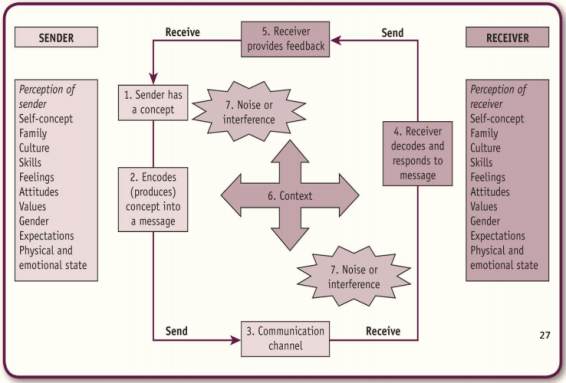
What interpersonal communication contributed to the poor working environment
Emotional intelligence is contributing to the poor working environment. Robert had been working very hard with his team for the past few years and looking at the organization is growing mainly is because of their hard work and dedication, he felt that his team and himself should be compensated. However, he fails to see at a bigger picture of getting more opportunities and getting promoted which are also a form of rewards too and it is a long term rewards compared to a one time compensation. They long term reward also includes his whole team, not just himself
Robert’s Context culture (Hall’s Context model)
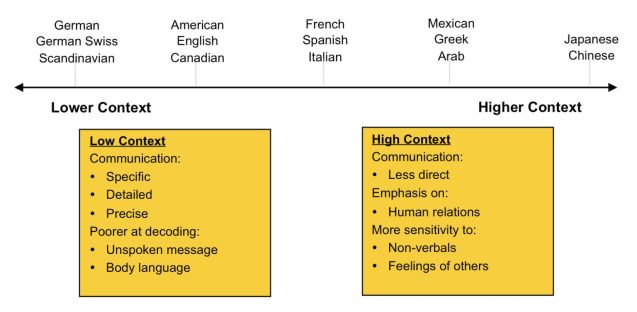
By using Hall’s context model, it is determined that Robert has a high context culture.
This can be shown as firstly, his department has substantially contributed to a 15 percent profit increase for the organization.
It is under high context culture as there is high sense involvement to the organization.
Secondly, achieving said profit increase, his team and him have put in long hours and hard work over the last few years.
This shows high context culture as they proceed things at their own pace.
Lastly, Robert disregards Kay’s alternatives such as promotions and new job opportunities and insists on his team to be compensated with a monetary increase. This shows high context culture as the message he conveys are only limited portions of the meaning in what he said. His body language and how it is being said.













 Ashriq's Blog